Mastering the Art of Wine Bottle and Grape Vine Vector Icons for Modern Design
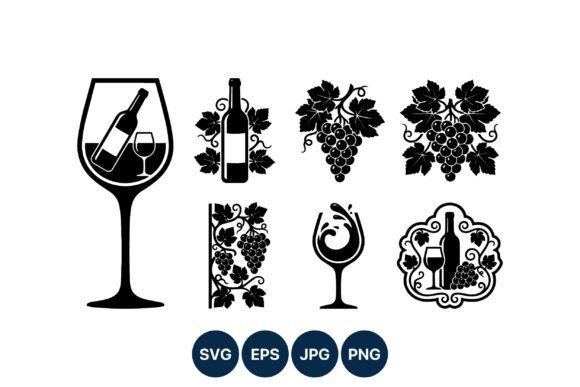
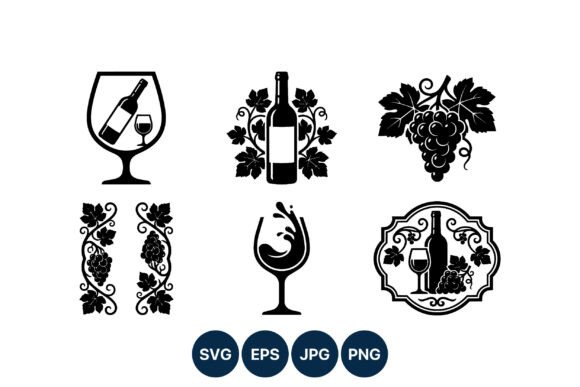
In the vast landscape of digital design, few motifs carry as much elegance and cultural weight as the imagery of wine. From the rustic charm of a vineyard to the sophisticated allure of a tasting room, visual elements like wine bottles, grapevines, and wine glasses serve as universal symbols of celebration, craftsmanship, and leisure. However, creating these images from scratch can be time-consuming for designers. This is where high-quality Wine Bottle Grape Vine Vector Icons become an indispensable resource. By utilizing professional black and white vector art featuring intricate splash effects and decorative leaves, creators can instantly elevate their projects with sharp, scalable graphics that look perfect on any device.
This guide explores the significance of these specific design assets, how they function in modern workflows, and why the combination of SVG, PNG, JPG, and EPS formats is crucial for versatile application. Whether you are a graphic designer, a web developer, or a small business owner looking to refresh your brand identity, understanding the power of these vector compositions will transform your creative process.
The Power of Black and White Vector Art
When discussing digital illustration, the choice between color and monochrome is often a matter of aesthetic preference. However, black and white vector art offers distinct technical and stylistic advantages that make it a staple in professional design. The primary benefit lies in its versatility. A high-contrast image featuring a wine bottle or a cluster of grapes is not limited by a specific color palette; it can be recolored, inverted, or overlaid onto various backgrounds without losing its integrity.
Furthermore, the "vector" aspect is what sets these icons apart from standard raster images (like JPEGs created in photo editors). Vectors are mathematically defined shapes rather than a grid of pixels. This means that a grapevine icon created in vector format remains crisp and sharp whether it is displayed on a tiny mobile screen or blown up to the size of a billboard. For businesses in the hospitality industry, such as wineries or restaurants, this scalability is non-negotiable. You need your logo to look just as pristine on a business card as it does on a truck wrap.
Why High Contrast Matters
The description of these assets often highlights "high-contrast" styling. In design theory, contrast is essential for readability and impact. When a wine glass with a dynamic splash effect is rendered in stark black against a white background (or vice versa), it creates immediate visual interest. This style works exceptionally well for:
- Print Media: Stamps, embossing, and engraving rely heavily on clear lines and high contrast to ensure detail is transferred accurately.
- Web Accessibility: High-contrast icons are easier for users with visual impairments to distinguish, making them a more inclusive design choice.
- Minimalist Branding: Many modern brands prefer a clean, stripped-back look where the form of the object speaks louder than its color.
Understanding the File Formats: SVG, PNG, JPG, and EPS
A common point of confusion for beginners is the variety of file types included in a comprehensive download package. A professional asset pack typically includes a ZIP folder containing SVG, PNG, JPG, and EPS files. Each format serves a unique purpose in the design ecosystem, and knowing when to use which is a fundamental skill for any creator.
- SVG (Scalable Vector Graphics): This is the gold standard for web design. SVG files are code-based, meaning they are incredibly lightweight and load quickly on websites. They remain perfectly sharp at any zoom level, making them ideal for responsive web design where images must adapt to different screen sizes.
- EPS (Encapsulated PostScript): This is the traditional vector format used in professional print production. If you are sending your design to a commercial printer for large-format banners or packaging, the EPS file ensures that the press receives the highest quality data possible.
- PNG (Portable Network Graphics): While technically a raster format, PNGs are preferred over JPEGs for icons because they support transparency. If you need to place a wine bottle icon over a colored background without a white box around it, the PNG version is your go-to choice.
- JPG (Joint Photographic Experts Group): This is a compressed format best used for quick previews or when file size is the only constraint. It is less ideal for logos or icons due to compression artifacts, but useful for embedding in documents or emails.
Having all four formats in one download eliminates the need for complex conversion software, streamlining the workflow for designers who need to deploy assets across both digital and physical mediums simultaneously.
Practical Applications in Business and Creativity
The utility of stylized compositions featuring wine bottles and grape leaves extends far beyond simple decoration. These icons are functional tools that help communicate brand values and enhance user experience. Let's explore how they fit into modern life and business scenarios.
Branding for Wineries and Restaurants
For a local winery, the visual identity is everything. A logo featuring a detailed grapevine with decorative leaves suggests heritage, growth, and natural quality. Conversely, a sleek, minimalist wine glass with a splash might convey modernity and innovation. By using vector icons, these businesses can create a cohesive suite of marketing materials—from menu covers to social media headers—that maintain consistency across all touchpoints.
Consider a restaurant launching a new wine list. Instead of a plain text document, they can use a vector icon of a wine bottle as a header for each section. Because the artwork is 100% vector, the details of the label and the shape of the bottle remain legible even when printed in small font sizes on a laminated menu.
Event Planning and Invitations
Weddings, galas, and corporate retreats often revolve around food and drink. Designers frequently use black and white vector art for invitations because it exudes sophistication. A decorative grape leaf border or a central motif of a wine glass can set the tone for the event immediately. Since these assets are editable, planners can easily adjust the size or orientation to fit square cards, rectangular flyers, or digital invites sent via email.
Digital Interfaces and App Design
In the tech world, clarity is king. Apps related to food delivery, recipe sharing, or wine pairing often require intuitive icons. A high-contrast wine bottle icon helps users instantly recognize a category within an app. Because SVG files are code-based, developers can even animate these vectors—perhaps making the liquid in the glass swirl or the splash effect ripple—to add a layer of interactivity that static images cannot achieve.
Clarifying Common Misunderstandings About Vector Assets
Despite the widespread availability of stock vector art, there are several misconceptions that can hinder a designer's ability to use these resources effectively.
Misconception 1: "Vector means I can't change the colors."
This is incorrect. One of the greatest strengths of vector files (SVG and EPS) is that every element is a separate object. You can easily select the "grapes" in a vine cluster and change them from black to purple, or turn the "splash" effect into a gradient of gold. The black and white nature of the source file actually makes this recoloring process easier, as you aren't fighting against existing shading or color noise.
Misconception 2: "These icons are too generic."
While basic clip art can feel generic, high-quality vector packs often feature stylized compositions that offer unique artistic flair. The inclusion of specific details like splash effects and varied leaf textures adds a hand-drawn or custom feel. Furthermore, combining multiple icons from a pack allows you to create entirely new scenes that no other user has assembled, ensuring your final design feels original.
Misconception 3: "I need expensive software to use these."
While Adobe Illustrator is the industry standard for editing EPS and SVG files, many free tools exist today. Programs like Inkscape allow you to edit vector paths and export to various formats without a subscription. Even web browsers can render SVG files directly, making them accessible for simple web implementations.
Building a Broader Understanding of Visual Storytelling
Ultimately, the use of Wine Bottle Grape Vine Vector Icons is about storytelling. Every curve of a vine, every droplet in a splash, and every angle of a glass contributes to a narrative. In a world saturated with information, effective visuals cut through the noise. They provide immediate context and evoke emotion.
By integrating these high-contrast, scalable assets into your work, you are not just adding pictures; you are enhancing communication. You are ensuring that your message is clear, your brand is consistent, and your audience is engaged. Whether you are designing a website for a boutique vineyard, creating a flyer for a wine-tasting event, or simply looking to add a touch of elegance to a personal project, these vector icons offer the perfect blend of artistic beauty and technical precision.
As you move forward in your creative journey, remember that the tools you choose define the quality of your output. Investing in or selecting high-quality vector packs that include multiple formats ensures that you are prepared for any challenge, from the smallest icon on a mobile screen to the largest banner in a trade show. Embrace the flexibility of vector art, and let the timeless imagery of wine and vines bring sophistication to your next masterpiece.