Mastering the Aesthetic: The Patchwork Cross Sublimation Design Revolution
In the evolving landscape of digital textile printing, few motifs have captured the intersection of traditional craftsmanship and modern technology as effectively as the Patchwork Cross Sublimation Design. This specific visual style merges the nostalgic warmth of quilted fabrics with the spiritual or symbolic weight of the cross, rendered in a digital format that is ready for high-fidelity reproduction. Unlike standard vector graphics that can appear flat or sterile, this design leverages complex textures, pastel color palettes, and simulated stitching details to create a tactile illusion on smooth surfaces. For creators, business owners, and hobbyists alike, understanding the nuances of this design offers a gateway to producing premium, emotionally resonant products.
The Visual Language of Digital Quilting
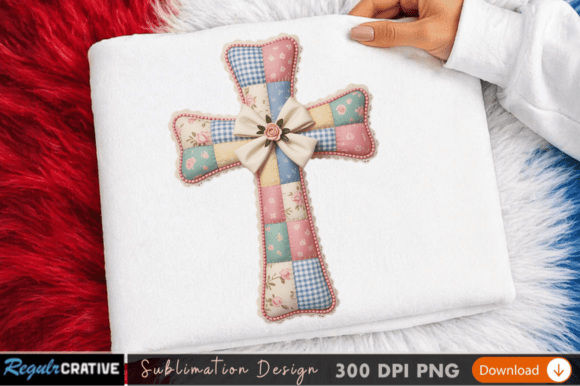
The core appeal of the Patchwork Cross Sublimation Design lies in its ability to mimic handcrafted materials through digital means. At first glance, the image presents a cross constructed from various squares of fabric, each with its own distinct pattern and texture. However, upon closer inspection, the viewer notices the intricate details that define the aesthetic: delicate stitching lines, slight variations in thread tension, and the soft gradients of pastel colors like lavender, mint green, baby blue, and soft peach. These elements combine to create a "quilted appearance" that feels cozy, inviting, and deeply personal.
This visual language is particularly effective because it taps into a collective appreciation for handmade goods. In an era dominated by mass-produced, uniform items, the simulated imperfections of a patchwork design suggest care and individuality. When applied to sublimation printing, these digital textures are transferred onto polyester-based substrates with remarkable clarity. The result is not just a printed image, but a surface that appears to have depth and dimension, tricking the eye into perceiving the raised ridges of a real quilt.
Technical Specifications for Optimal Reproduction
To achieve the desired effect, the technical foundation of the file is paramount. The Patchwork Cross Sublimation Design must be delivered as a 300 DPI PNG file. This resolution is non-negotiable for professional-grade output. Sublimation printing works by turning solid dye into gas under heat and pressure, which then bonds with polymer fibers. If the source image lacks sufficient pixel density, the resulting print will appear pixelated, blurry, or jagged, destroying the illusion of fine stitching and fabric texture.
The PNG format is specifically chosen over JPEG for several reasons. First, PNG supports lossless compression, ensuring that the sharp edges of the cross and the fine details of the stitching remain crisp without the artifacting often seen in compressed JPEGs. Second, while many sublimation workflows utilize CMYK color spaces, starting with a high-quality RGB PNG allows for precise color management during the conversion process. The pastel palette requires careful handling; low-resolution files often muddy these subtle tones, whereas a 300 DPI source ensures that the soft gradients transition smoothly across the fabric.
Expanding Beyond T-Shirts: Diverse Applications
While the primary use case mentioned for this design is T-Shirt Print, the versatility of sublimation technology allows the Patchwork Cross Sublimation Design to transcend apparel. The nature of the design—geometric yet organic, structured yet soft—makes it adaptable to a wide array of fabric-based and coated products. Understanding these applications helps creators maximize their investment in digital assets.
Apparel Variations: Beyond standard cotton-polyester blend T-shirts, this design excels on performance wear, such as running shirts and yoga tops, where the bright pastel colors stand out against dark or neutral base fabrics. It also translates beautifully to tote bags, caps, and even socks. The cross motif serves as a focal point that remains legible regardless of the garment's cut or fit.
Home Decor and Accessories: The quilted aesthetic naturally complements home environments. Applying this design to sublimation blanks like throw pillows, blankets, and table runners creates a cohesive look that mimics actual patchwork quilts. The durability of sublimation ink ensures that these items can withstand washing without the colors fading, maintaining the integrity of the delicate patterns.
Ceramic and Hard Goods: Although less common than fabric applications, the design can be adapted for sublimation mugs and tumblers. On curved ceramic surfaces, the geometric nature of the cross allows the design to wrap seamlessly around the object. The contrast between the soft, fabric-like appearance of the design and the hard, glossy surface of a mug creates a unique sensory juxtaposition that appeals to collectors and gift buyers.
Strategic Implementation for Creators and Businesses
For small business owners and independent creators, integrating the Patchwork Cross Sublimation Design into a product line requires a strategic approach to workflow and marketing. The design's specific characteristics allow it to target niche markets that value both faith-based symbolism and artisanal aesthetics.
Targeting Niche Audiences
The combination of religious iconography and the "shabby chic" or cottagecore aesthetic represented by patchwork and pastels opens up a specific demographic. This audience often seeks gifts that feel personal and meaningful rather than generic. By positioning products featuring this design as "handcrafted-inspired" or "artisanal," sellers can command higher price points. The design speaks to individuals who appreciate the history of quilting, perhaps looking for a modern interpretation of family heirlooms.
Educators and community leaders can also utilize this design for group projects or fundraising initiatives. The collaborative nature of patchwork makes it a powerful metaphor for unity, making the cross design suitable for church groups, retreats, or community service organizations. The ability to produce custom sizes and fits via sublimation ensures that every member of a group can receive a personalized item.
Workflow Considerations
Implementing this design requires attention to the entire production chain. Starting with the 300 DPI PNG, the creator must ensure that the sublimation printer is calibrated correctly. Pastel colors can sometimes appear washed out if the ink levels are not adjusted. A test print on a scrap piece of fabric is essential to verify that the delicate stitching details are visible and that the color balance matches the screen preview.
Furthermore, the choice of blank material is critical. Sublimation only works effectively on synthetic fibers or items with a polymer coating. For T-shirts, a high-percentage polyester blend (usually 50/50 or higher) is required to achieve vibrant results. Using 100% cotton will result in dull, faded colors that fail to capture the vibrancy of the pastel palette. Educating customers about the material composition is part of the value proposition, ensuring they understand why the product looks and feels the way it does.
Design Psychology and Color Theory
The success of the Patchwork Cross Sublimation Design is not accidental; it is rooted in established principles of color theory and psychological perception. The use of pastel colors plays a significant role in how the viewer interprets the symbol. Pastels are generally associated with calmness, innocence, and nostalgia. They soften the potentially stark or severe nature of a traditional black-and-white cross, making the symbol more approachable and comforting.
The "quilted appearance" adds another layer of psychological depth. Quilts are historically associated with warmth, protection, and community. By visually simulating this texture, the design evokes feelings of safety and belonging. The intricate patterns within the patchwork squares invite the viewer to linger, exploring the details much like one would examine a physical quilt. This engagement increases the perceived value of the product, encouraging potential buyers to connect emotionally with the item before making a purchase.
Moreover, the decorative stitching details serve as a visual cue for quality. Even though the stitching is printed, the human brain recognizes the pattern of thread work and associates it with durability and care. This subconscious association reinforces the idea that the product is well-made, despite being digitally produced. It bridges the gap between the efficiency of digital manufacturing and the emotional resonance of handcraftsmanship.
Future Trends in Textile Graphics
As we look toward the future of textile design, the popularity of styles like the Patchwork Cross Sublimation Design is likely to grow. There is a shifting consumer preference away from loud, neon graphics and toward designs that offer subtlety, texture, and narrative. The trend of "digital vintage"—using modern tools to recreate the look of old-world crafts—is gaining momentum across various industries.
Advancements in sublimation technology will further enhance the capabilities of this design. Higher resolution printers and improved ink formulations will allow for even finer detail in the stitching and more nuanced color gradients. We may see the emergence of variable data printing, where the patchwork patterns are randomized for each print run, ensuring that no two T-shirts are exactly alike. This would take the concept of uniqueness to a new level, perfectly aligning with the bespoke nature of the patchwork aesthetic.
Additionally, the integration of augmented reality (AR) could add a new dimension to these designs. Imagine scanning a T-shirt with a smartphone to see the patchwork pieces animate or learn the story behind the specific patterns used in the design. While currently speculative, the foundation laid by high-quality, detailed assets like the Patchwork Cross Sublimation Design prepares the industry for such interactive experiences.
Conclusion on Practical Utility
The Patchwork Cross Sublimation Design represents more than just a graphic file; it is a tool for storytelling, branding, and artistic expression. Its combination of high-resolution technical specifications, emotionally resonant aesthetics, and versatile application possibilities makes it a valuable asset for anyone involved in the creative economy. Whether used for personal projects, educational purposes, or commercial ventures, this design demonstrates the power of blending tradition with technology. By adhering to best practices in file preparation, material selection, and printing techniques, creators can unlock the full potential of this captivating visual style, bringing the warmth of a hand-stitched quilt to the modern world of digital printing.